Research & Development
Home Programs Level 3 — Elite
03 Elite

Research & Development

Ages 9+ · By Talent, Not Age

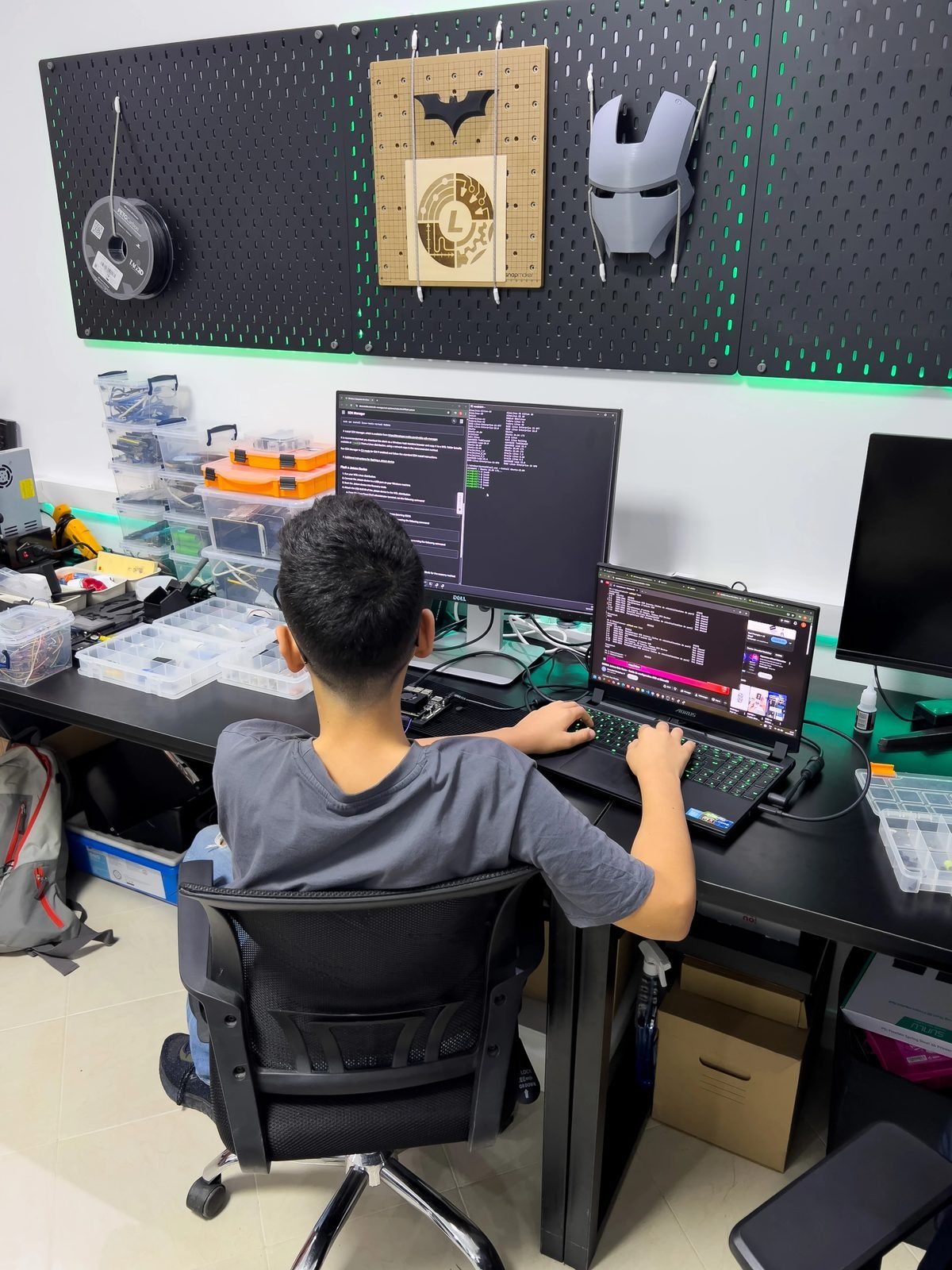
No tutorials. No step-by-step guides. This is where the most talented students operate as real R&D engineers — designing complete technological solutions for real-world problems using the most advanced hardware and software in the industry.
Not By Age. By Talent.
Operating at University Level.

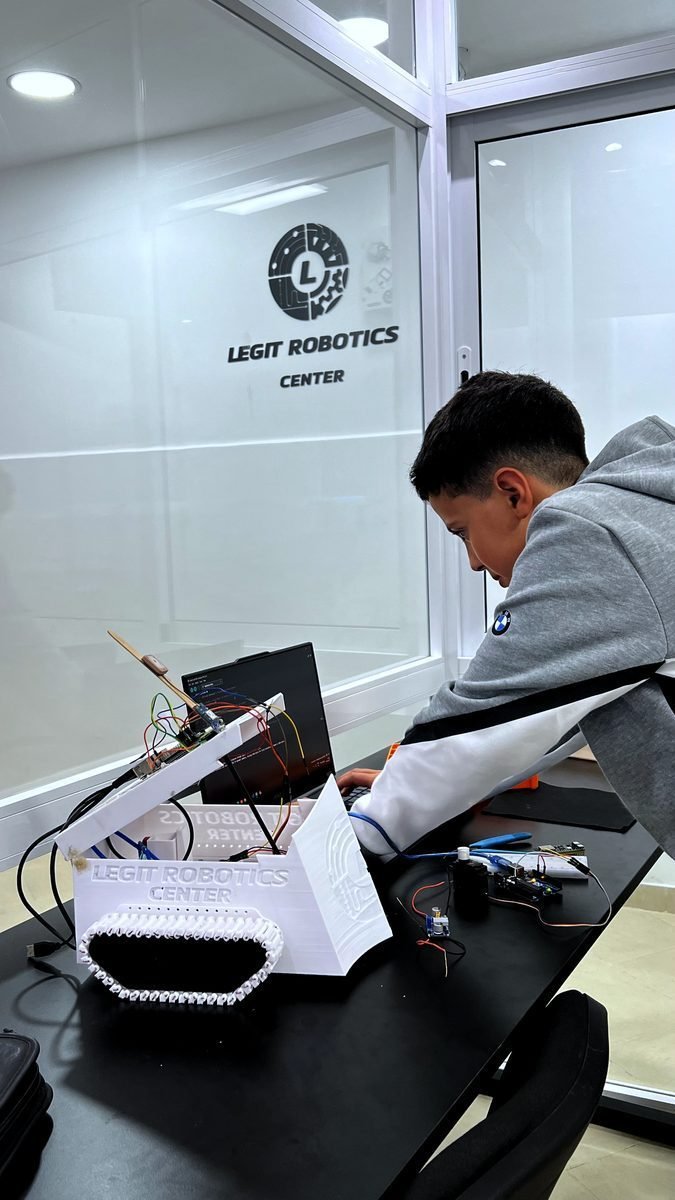
Level 3 is an exclusive tier defined by technical maturity, not birthdate. A 10-year-old who has mastered Level 1 and 2 skills and shows exceptional aptitude can earn their place alongside 17-year-old advanced students. There is no defined end-point — students continue to grow as the technology evolves.

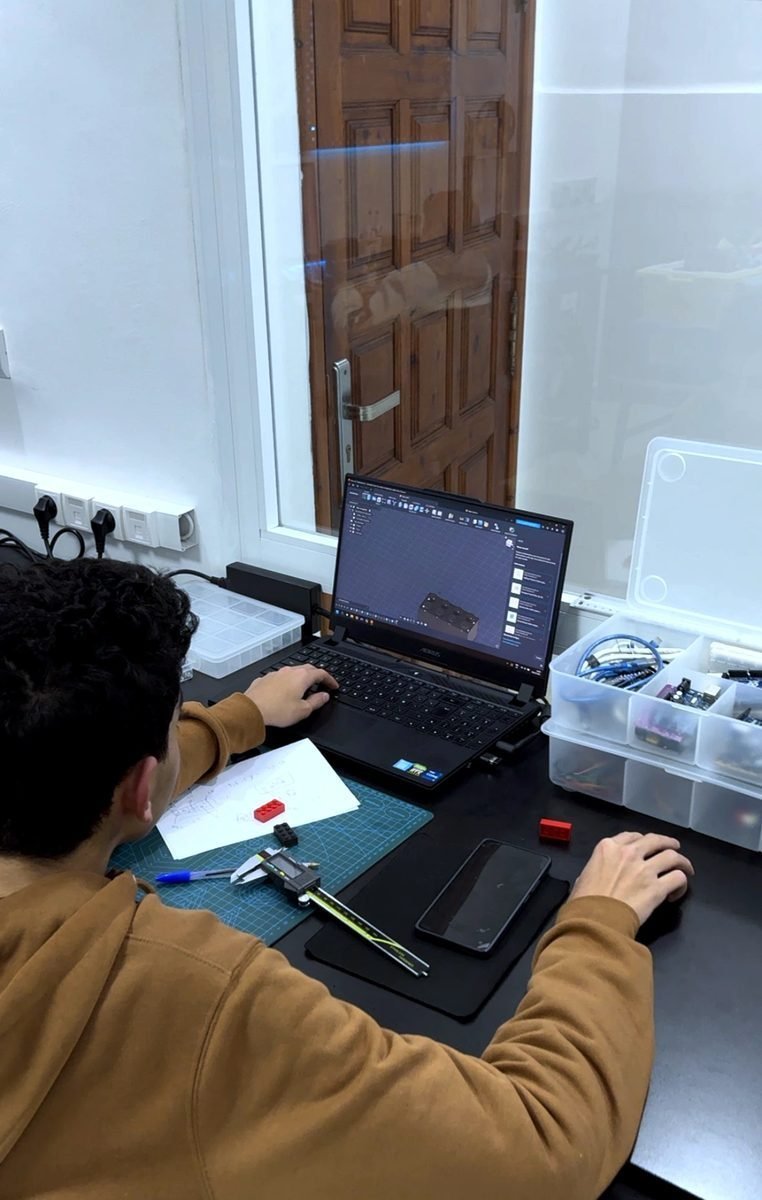
Standard tutorials are eliminated. Students receive complex, open-ended engineering challenges and must design their own solutions — from hardware architecture to AI model deployment to mechanical fabrication. The objective: operate at a level comparable to university engineering students.

Merit-Based Entry

Admission requires demonstrated mastery of foundational and intermediate skills. Not everyone qualifies — and that's the point.

Real R&D Lab Environment

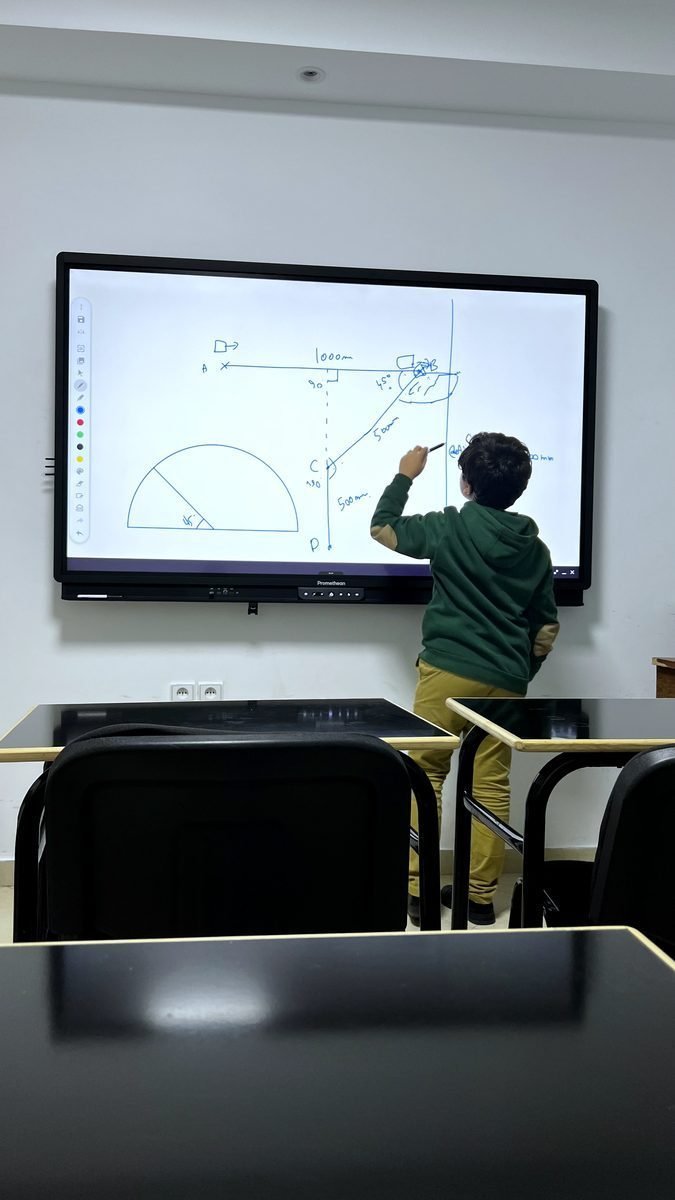
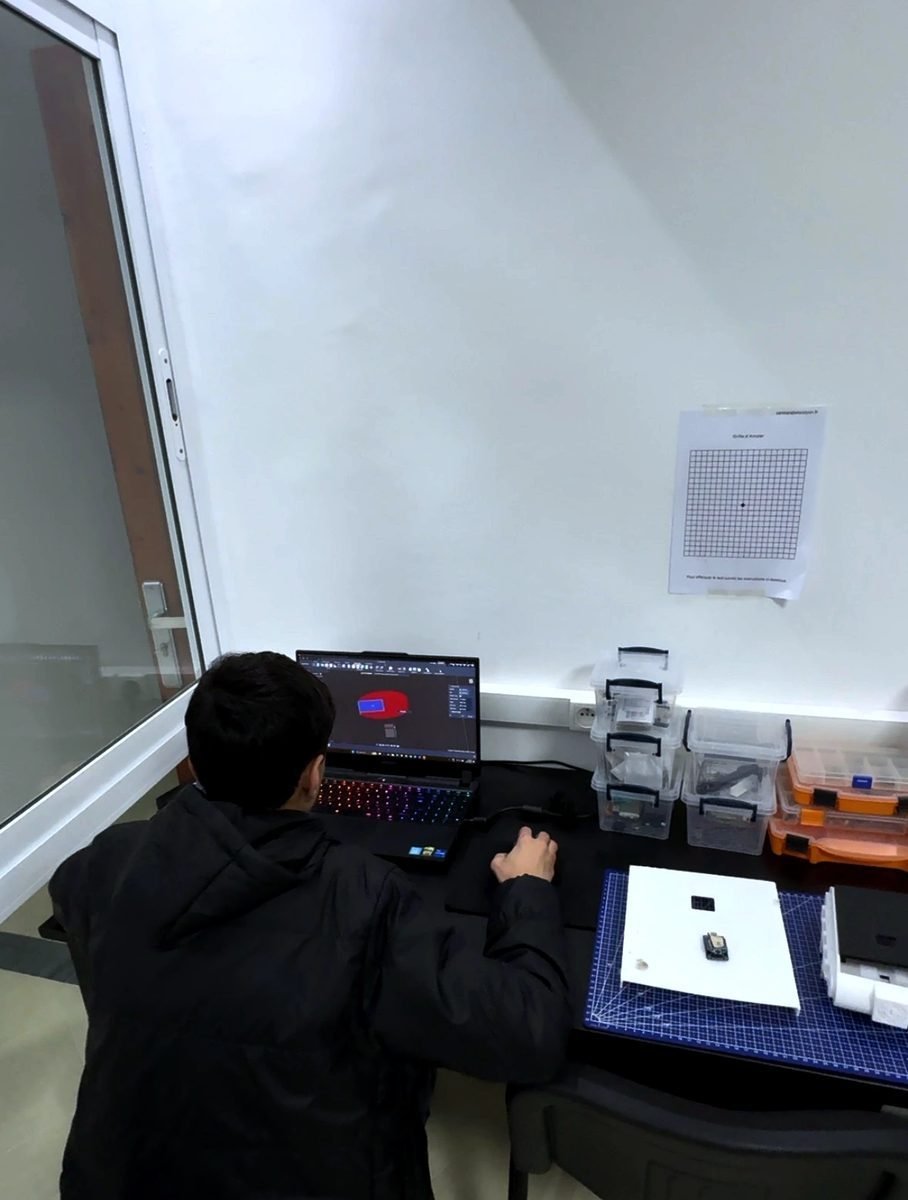
Students operate like a real engineering team: define problems, research solutions, architect systems, build prototypes, test, and iterate.

Open-Ended Challenges

No predetermined answers. Students design custom architectures and find innovative solutions to problems that have never been solved before.

Continuous Evolution

No fixed curriculum endpoint. As technology advances, our elite students advance with it — always at the cutting edge.

Technologies That Define the Next Decade

Students master the technologies that are reshaping robotics, manufacturing, and artificial intelligence worldwide.

01

Physical AI & Edge Computing

NVIDIA Jetson Orin · On-Device Intelligence · LLM Integration

Students work with NVIDIA Jetson Orin Nano Super developer kits — the same hardware powering autonomous vehicles, industrial robots, and space exploration systems. They learn to process complex data locally, run real AI models on the edge, and integrate Large Language Models directly into physical robotic builds. This is Physical AI: robots that think, see, hear, and adapt in real time without cloud dependency.

NVIDIA Jetson deployment
Edge AI inference
Computer vision pipelines
LLM integration
Real-time sensor fusion
GPU-accelerated computing
Linux & JetPack SDK
Model optimization
02

Simulation & Digital Twins

NVIDIA Omniverse · Isaac Sim · Physics Simulation · Virtual Prototyping

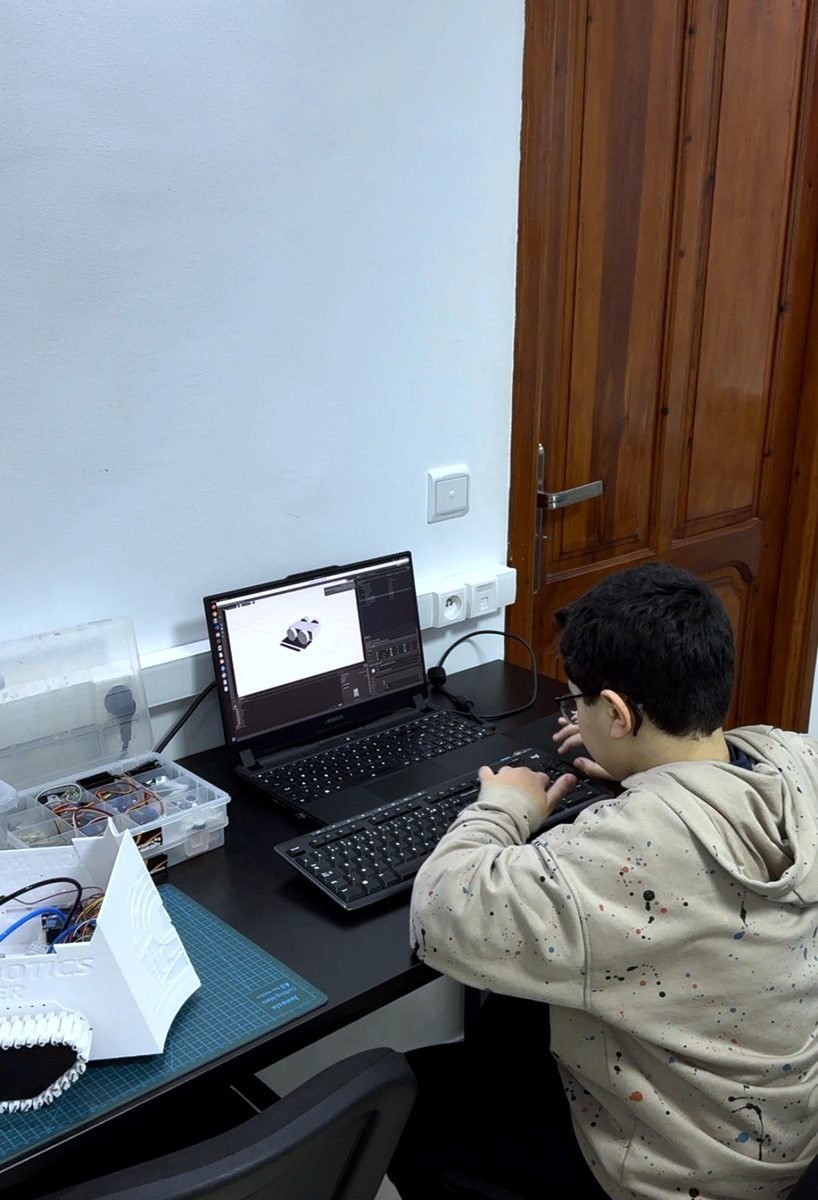
Real engineers test in the digital realm before building in the physical world. Students utilize NVIDIA Omniverse and Isaac Sim to create hyper-realistic digital twins of their robots — simulating physics, environments, lighting, and AI behaviors in a virtual space. They train reinforcement learning agents in simulation, then deploy the exact same code to physical machines. This is how Tesla, NASA, and Boston Dynamics develop robots.

NVIDIA Omniverse
Isaac Sim environments
Physics simulation
Digital twin creation
Sim-to-real transfer
Reinforcement learning
03

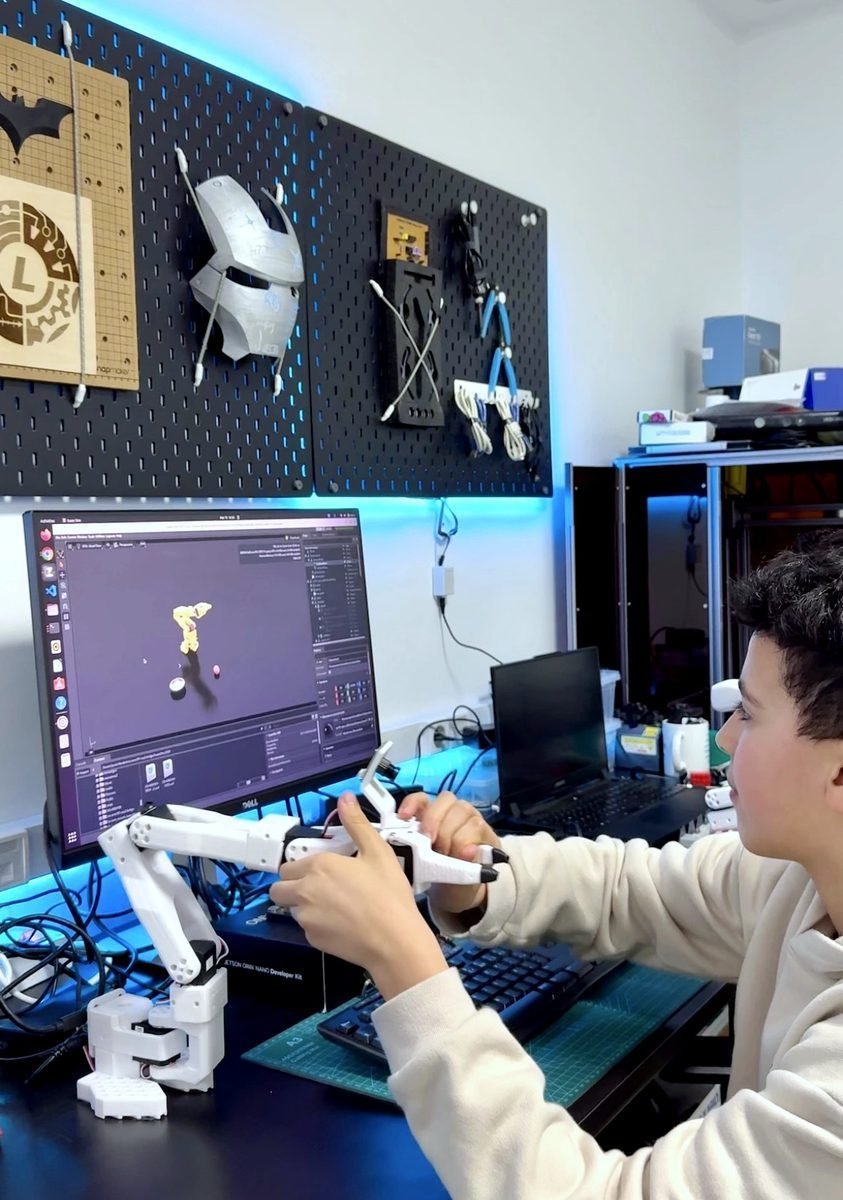
Advanced Kinematics & Robotic Arms

SO-ARM 101 · Multi-Axis Calibration · Teleoperation · CAD Assembly

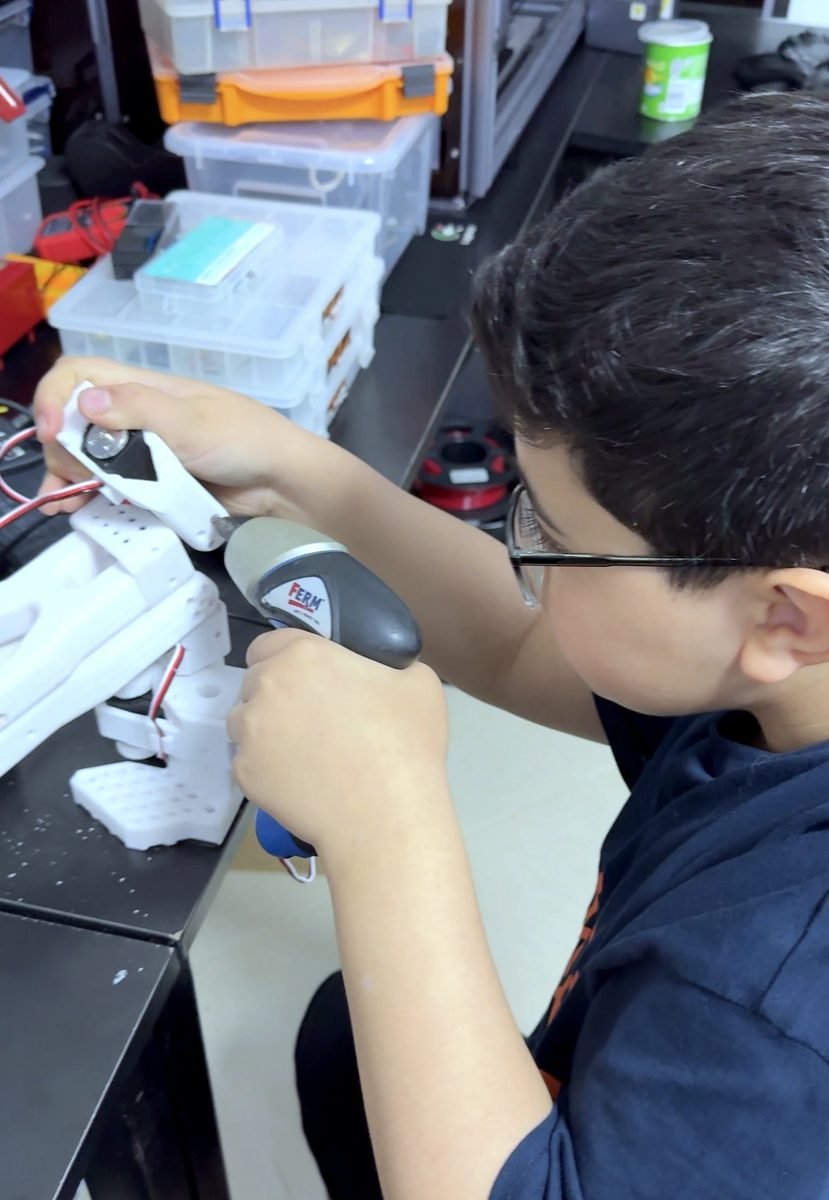
Moving far beyond basic wheeled robots, students engage with industrial-grade kinematics. They work extensively with the SO-ARM 101 robotic arm — learning to assemble the complete system from CAD STEP files, calibrate multi-axis movements, program complex teleoperation protocols, and integrate AI for autonomous manipulation tasks. This is the same class of hardware used in industrial manufacturing and surgical robotics.

SO-ARM 101 assembly
Forward/inverse kinematics
Multi-axis calibration
Teleoperation protocols
CAD STEP file reading
AI-driven manipulation
Trajectory planning
Servo motor tuning
04

Full-Cycle Engineering & R&D

Problem Identification → Architecture → Design → Build → Deploy

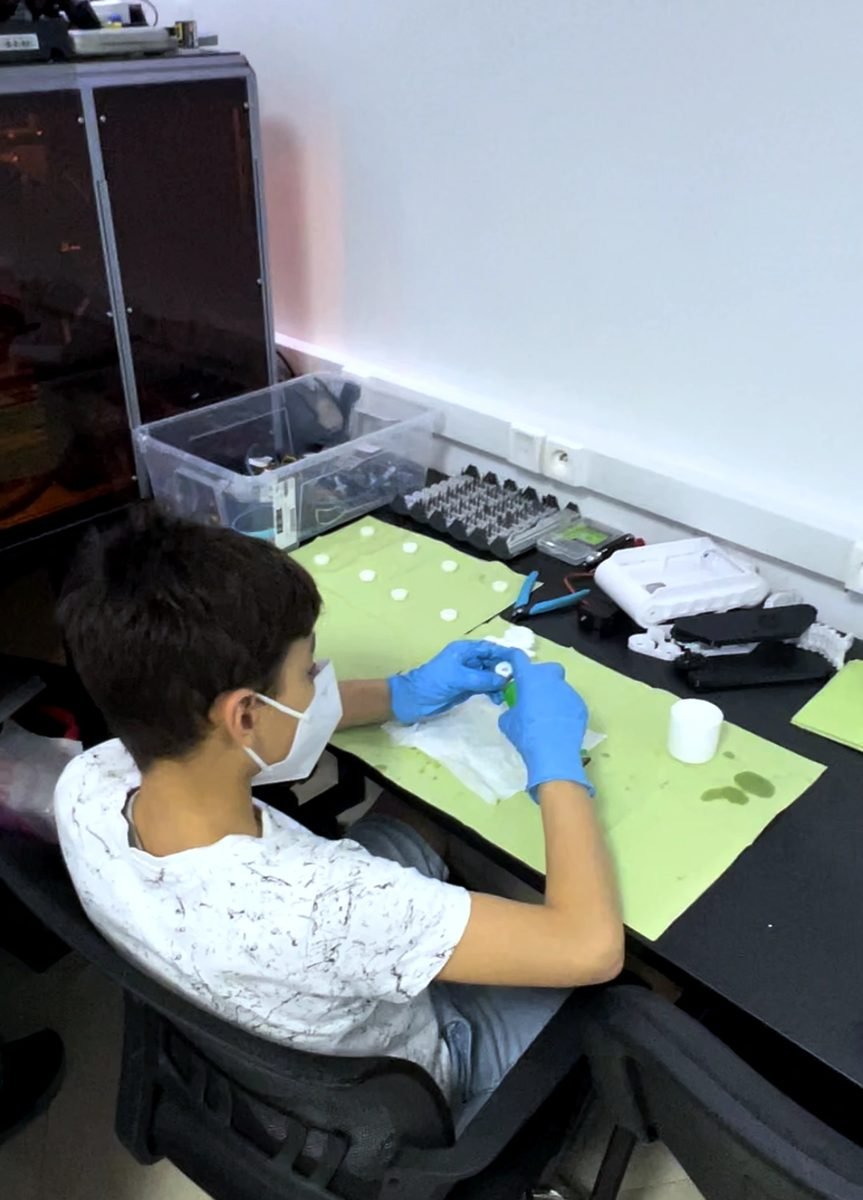
The ultimate integration point. Students tackle real-world problems that demand the seamless combination of everything: advanced electronics, mechanical design, 3D manufacturing, software engineering, and artificial intelligence. They define the problem, research existing solutions, architect their own custom systems, prototype, test, and iterate. They use Raspberry Pi for rapid computing, professional soldering for permanent circuits, CNC and laser systems for precision fabrication, and resin printing for high-fidelity components.

Problem analysis
System architecture
Raspberry Pi computing
PCB soldering
CNC machining
Resin (SLA) printing
Custom IoT systems
Technical documentation

Operate Like a Real Engineering Lab

Level 3 students follow the same R&D practices used by the world's top technology companies.

Problem-First Thinking

Start with a real-world problem. Research what exists. Identify what's missing. Then engineer a solution from scratch.

Custom Architectures

No predefined kits. Students design their own hardware architectures, select their own components, and build from first principles.

Simulate → Build

Test in Omniverse first. Validate AI in Isaac Sim. Only then move to physical hardware. Like Tesla and NASA.

Rapid Iteration

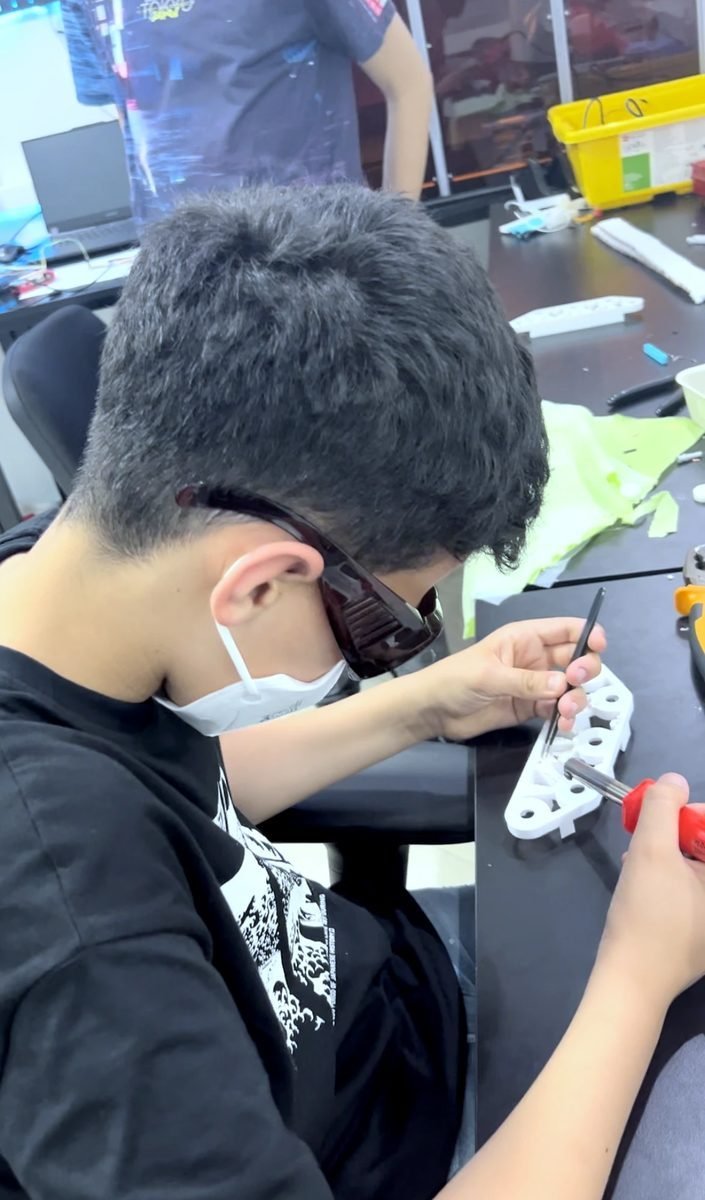
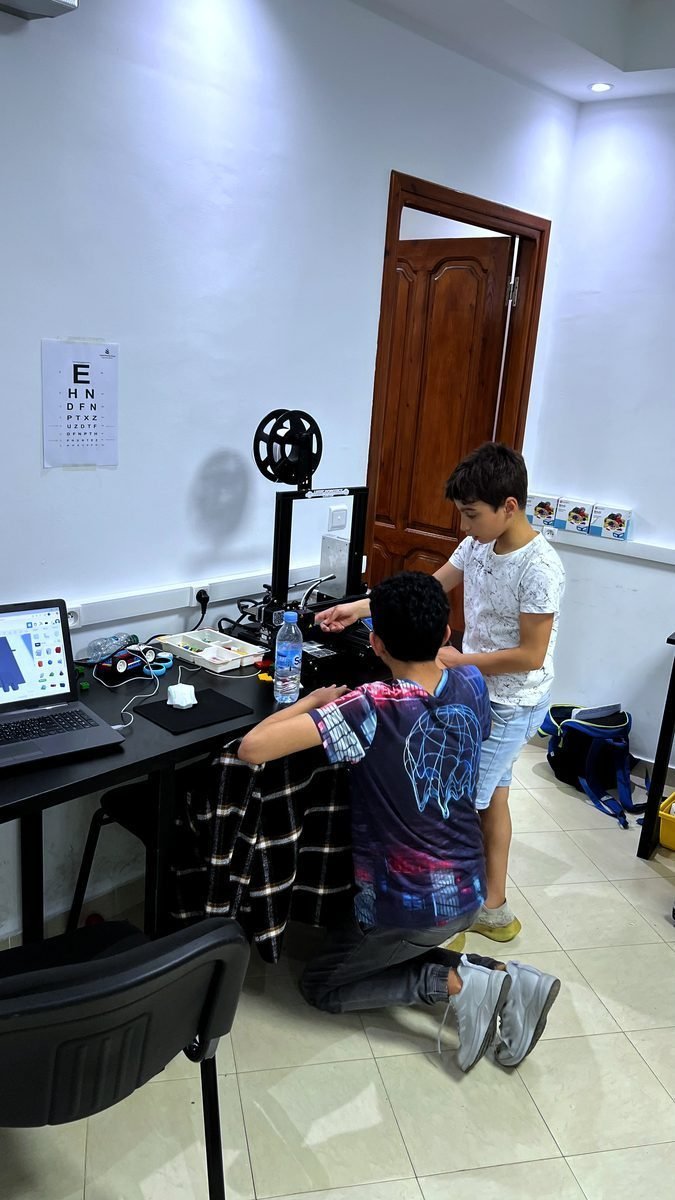
Design, print, test, fail, redesign, reprint. The fabrication lab runs hot. Speed of iteration is speed of learning.

University-Level Rigor

Technical documentation, peer review, and presentation of results. Engineering isn't just building — it's communicating.

No Ceiling

There is no fixed endpoint. As technology evolves, our elite students evolve with it — always operating at the bleeding edge.

Hardware & Software That Leads the Industry

NVIDIA Jetson Orin

The most powerful edge AI computer — same hardware in autonomous vehicles and industrial robots

NVIDIA Omniverse

Create photorealistic digital twins — simulate physics, lighting, and AI before physical deployment

NVIDIA Isaac Sim

Physics-accurate robotics simulation for training autonomous systems in virtual worlds

SO-ARM 101

Multi-axis robotic arm for industrial kinematics, teleoperation, and AI manipulation research

Raspberry Pi

Versatile single-board computer for rapid prototyping, IoT servers, and embedded applications

Elegoo Saturn

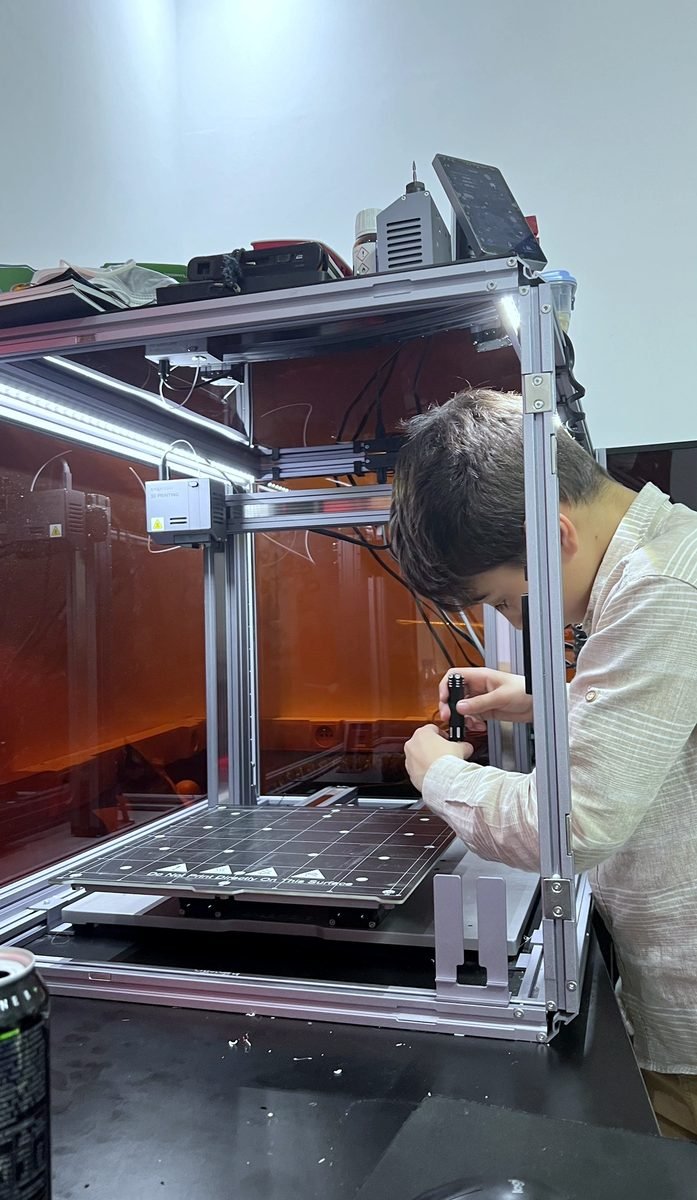
High-resolution resin SLA printer for precision engineering components and detailed models

Professional Soldering

Industrial soldering station for permanent circuit assembly and PCB rework

CNC & Laser

Precision CNC machining and laser engraving for fabricating custom mechanical parts

Level 3 Students Can...

Build AI-Powered Robots

Design, manufacture, and deploy complete AI-functional robots — from 3D CAD to edge AI inference on NVIDIA Jetson.

Operate Robotic Arms

Assemble, calibrate, and program the SO-ARM 101 for complex multi-axis manipulation and teleoperation.

Create Digital Twins

Simulate entire robotic systems in NVIDIA Omniverse — testing physics and AI before building physical hardware.

Lead R&D Projects

Independently identify problems, research solutions, design architectures, and deliver working prototypes.

Full-Stack Manufacturing

Use FDM, SLA resin, CNC, and laser systems to fabricate professional-grade components and assemblies.

Compete at University Level

Possess skills and technical maturity comparable to undergraduate engineering students — years before university.

Is Your Child Ready for the Elite?

Level 3 is by invitation and demonstrated skill. Book a visit to see our R&D team in action — students building AI robots, training digital twins, and operating at the cutting edge of technology.